
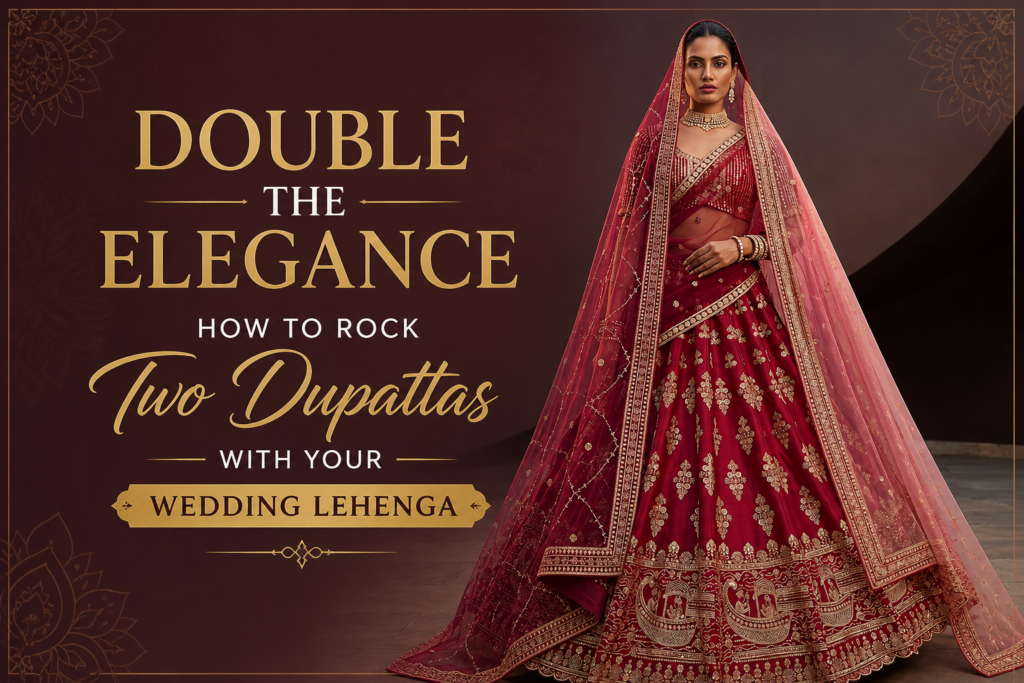
The double dupatta bridal trend may feel like a modern fashion statement, but its roots go deep into South Asian wedding traditions. Historically, brides in regions like Punjab and Rajasthan often wore multiple dupattas—one to cover the head as a symbol of modesty and respect, and another to enhance the overall designs of the lehenga. This layering wasn’t just about aesthetics; it was about honoring customs while creating a regal presence. Over time, this traditional practice evolved, blending with contemporary fashion sensibilities to become one of the most sought-after bridal looks today.
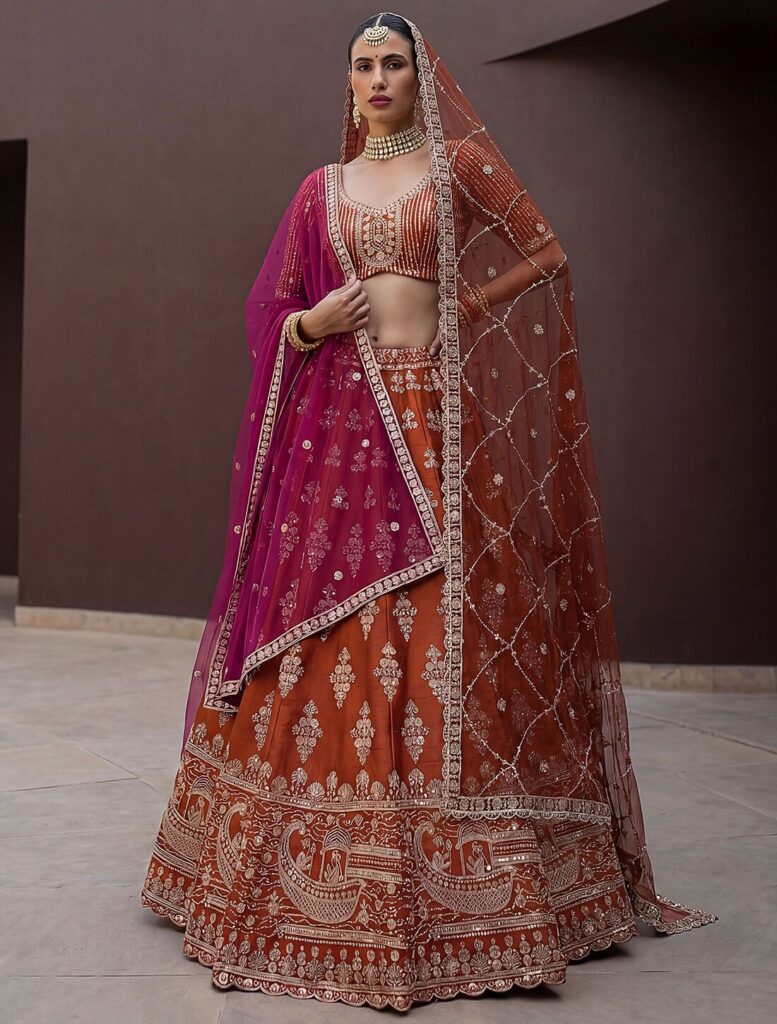
What makes this trend so fascinating is how it bridges the gap between heritage and high fashion. Imagine walking down the aisle with a delicate net dupatta gracefully covering your head, while a richly embroidered velvet or silk dupatta flows dramatically from your shoulder. It’s like wearing a story—one part rooted in tradition, the other screaming modern luxury. Brides today aren’t just dressing up; they’re curating an experience, and the double dupatta trend fits perfectly into that narrative.
Why Brides Are Choosing This Look Today
Let’s be honest—every bride wants to stand out. And in a world where wedding photos dominate social media feeds, the pressure to look unique is real. The two dupatta style offers that extra layer of drama without compromising elegance. It allows brides to experiment with textures, colors, and draping styles, creating a multidimensional look that photographs beautifully from every angle.
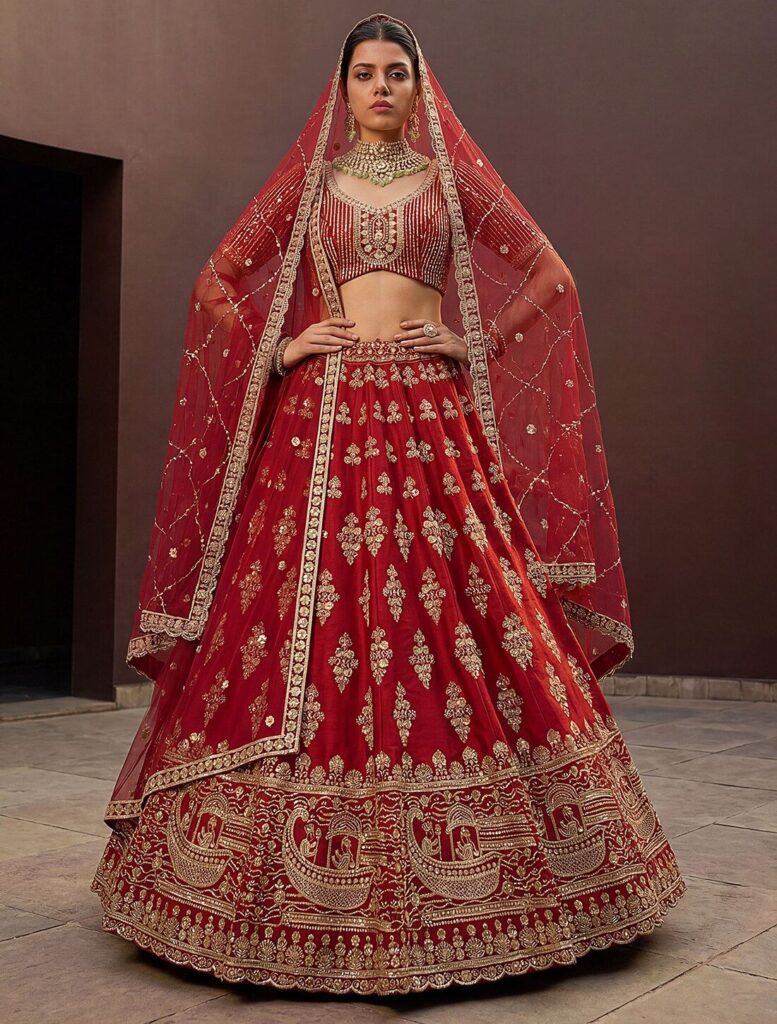
Another reason this trend is booming is its versatility. Whether you’re going for a minimalist pastel lehenga or a bold, heavily embellished ensemble, adding a second dupatta instantly elevates the indian dress. Designers and brands like Fabanza UK have embraced this trend, offering curated collections that make it easier for brides to achieve this layered look without feeling overwhelmed. It’s not just a trend—it’s a statement.
Understanding the Role of Each Dupatta
The Head Dupatta – Tradition Meets Grace
The head dupatta is arguably the heart of the double dupatta look. Draped over the head, it frames the bride’s face and adds a sense of softness and tradition. Typically made from lighter fabrics like net, chiffon, or organza, this dupatta is often adorned with subtle embroidery or delicate borders. The idea is to keep it elegant without overpowering the face or jewelry.
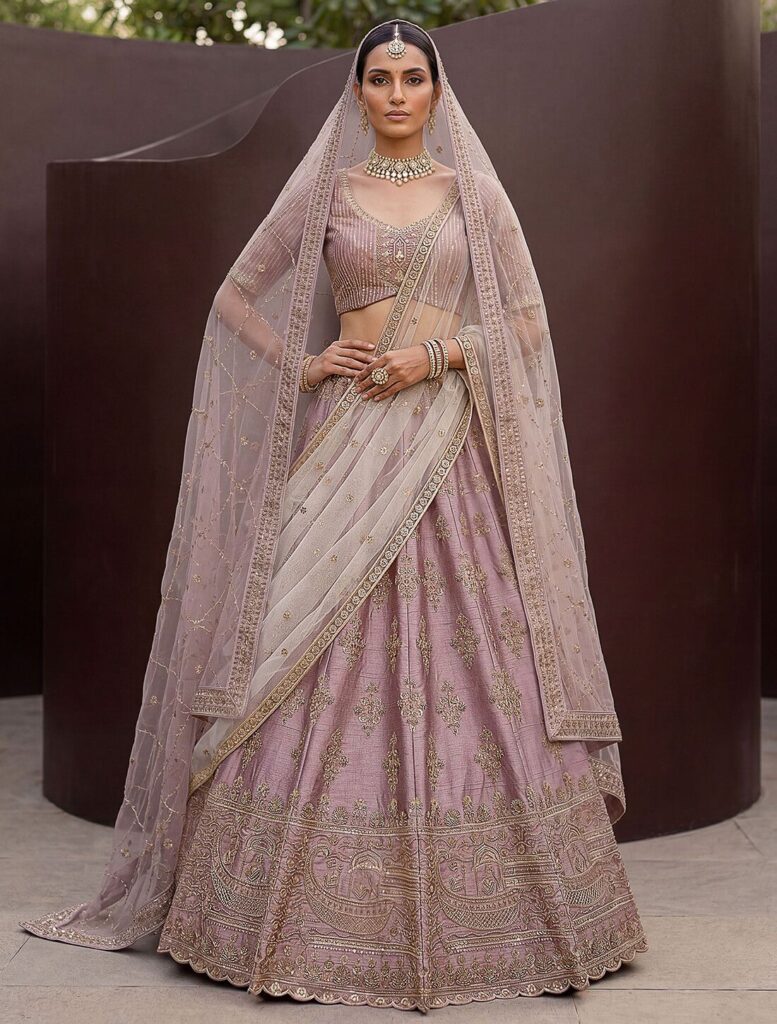
Think of it as the finishing touch that ties everything together. It’s not just about covering the head—it’s about creating a halo-like effect that enhances the bride’s natural beauty. When styled correctly, the head dupatta can make even the simplest lehenga look royal.
The Shoulder Dupatta – Style Meets Structure
Now, this is where things get interesting. The shoulder dupatta is your chance to go bold. Unlike the head dupatta, this one is usually heavier, featuring intricate embroidery, zari work, or embellishments. Draped across the shoulder or styled like a saree pallu, it adds structure and depth to the outfit.
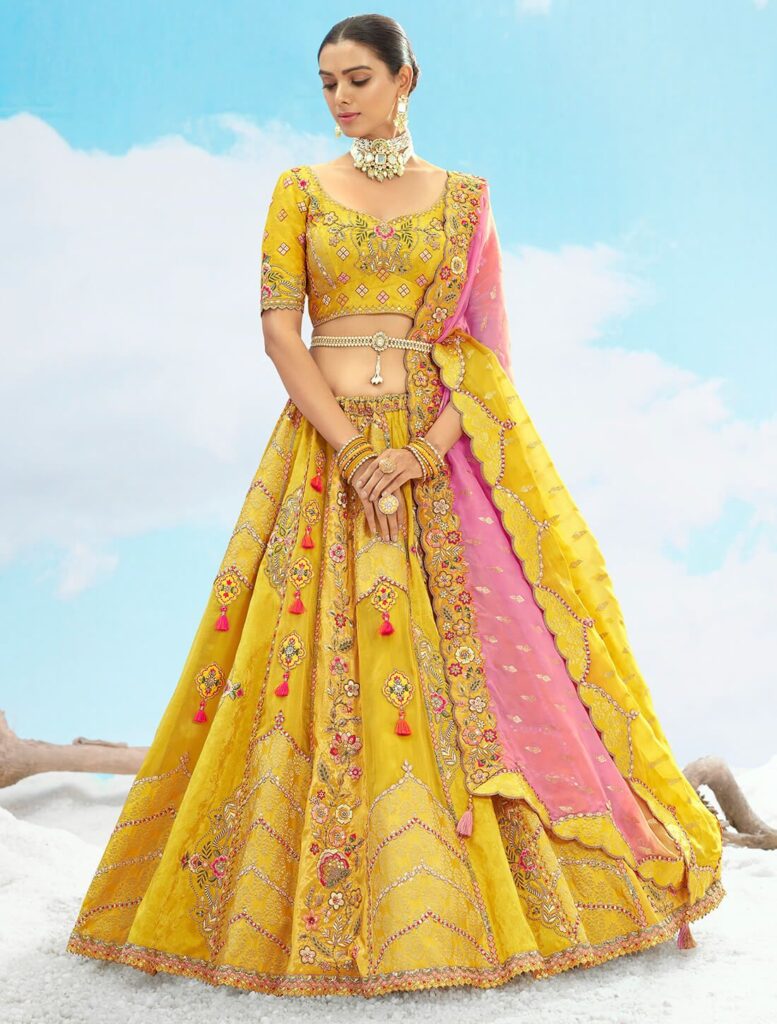
This dupatta is all about drama. It creates movement, adds layers, and gives your bridal lehenga that runway-ready vibe. When paired with the right accessories and draping style, it can completely transform your bridal look.
Choosing the Perfect Fabric Combination
Lightweight vs Heavy Dupattas
One of the biggest challenges brides face is balancing comfort with style. Wearing two dupattas might sound glamorous, but if both are heavy, it can quickly become uncomfortable. That’s why experts recommend pairing a lightweight dupatta for the head with a heavier one for the shoulder.
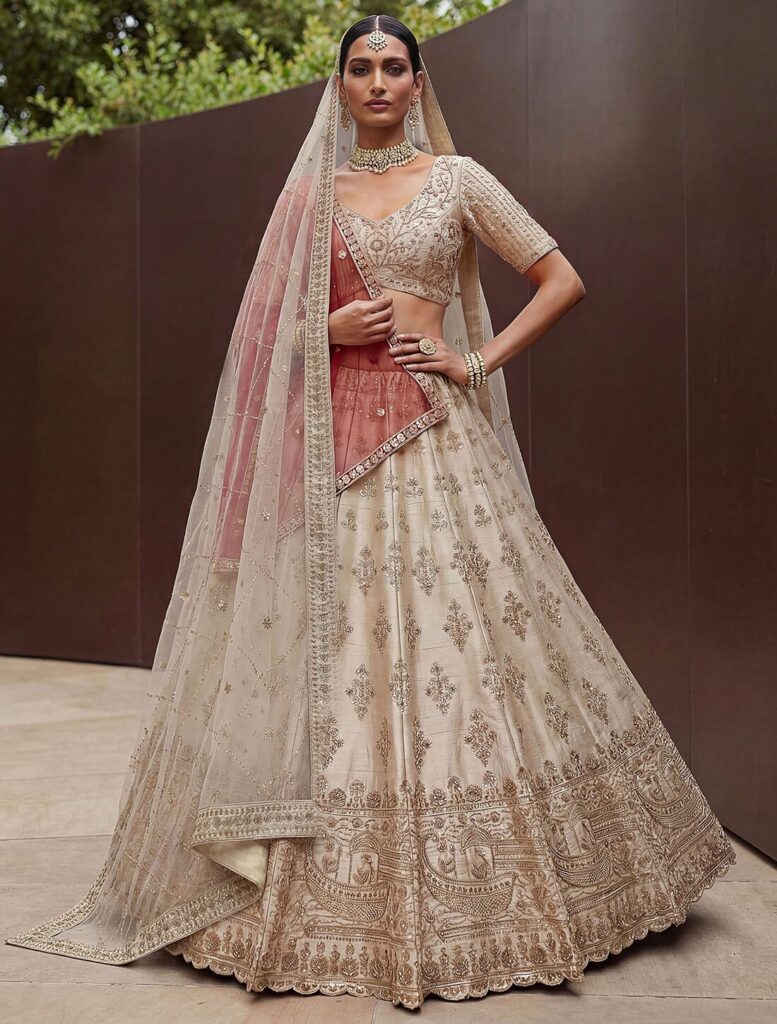
This combination ensures that you’re not weighed down while still achieving that luxurious layered effect. It’s like wearing a statement necklace with a simple dress—you want one element to shine without overwhelming the entire look.
Mixing Textures for Visual Appeal
Texture plays a huge role in creating a visually stunning outfit. Mixing fabrics like silk, velvet, and net can add depth and dimension to your lehenga. For example, pairing a velvet dupatta with a net one creates a beautiful contrast that catches the eye instantly.
The key is to experiment while keeping the overall look cohesive. You don’t want your outfit to feel mismatched. Instead, aim for a harmonious blend that enhances your bridal glow.
Best Color Combinations for a Bridal Statement
Monochrome Magic
Monochrome doesn’t mean boring. In fact, using different shades of the same color can create a sophisticated and cohesive look. Imagine a deep red lehenga paired with a lighter red dupatta and a darker maroon one. The result? A layered, rich aesthetic that feels both modern and timeless.
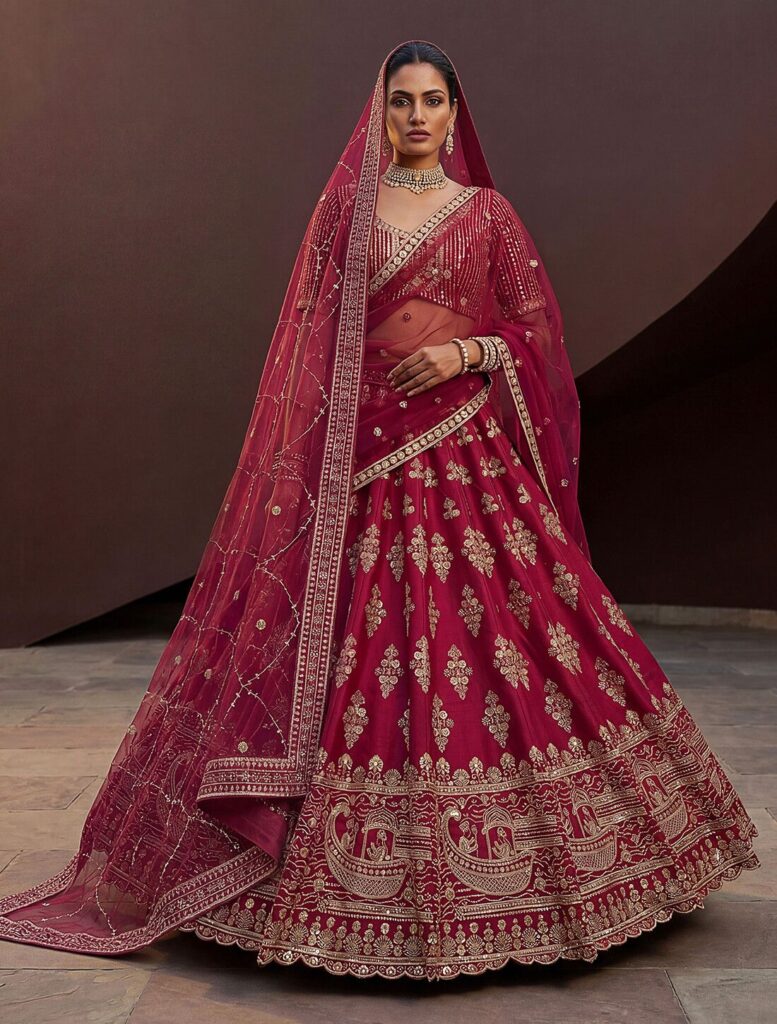
Contrasting Dupatta Trends
If you’re someone who loves bold fashion choices, contrasting dupattas are the way to go. Think a pastel lehenga paired with a vibrant pink or emerald green dupatta. This style adds a pop of color and makes your outfit stand out in the best way possible.
