
Choosing the perfect lehenga is only half the journey. The real magic often lies in the dupatta styling, which can completely transform your overall appearance. Whether you’re attending a wedding, engagement party, reception, festive celebration, or cultural event in the UK, the right dupatta style can elevate your lehenga choli from beautiful to breathtaking.
When people think about a lehenga, they usually focus on the skirt, embroidery, or blouse design. Yet fashion experts consistently point out that the dupatta is often the element that ties the entire ensemble together. A carefully chosen dupatta can add elegance, create balance, highlight your best features, and even alter the visual proportions of your silhouette. In many ways, the dupatta acts like the frame around a masterpiece. Without the right frame, even the most beautiful artwork can lose some of its impact.
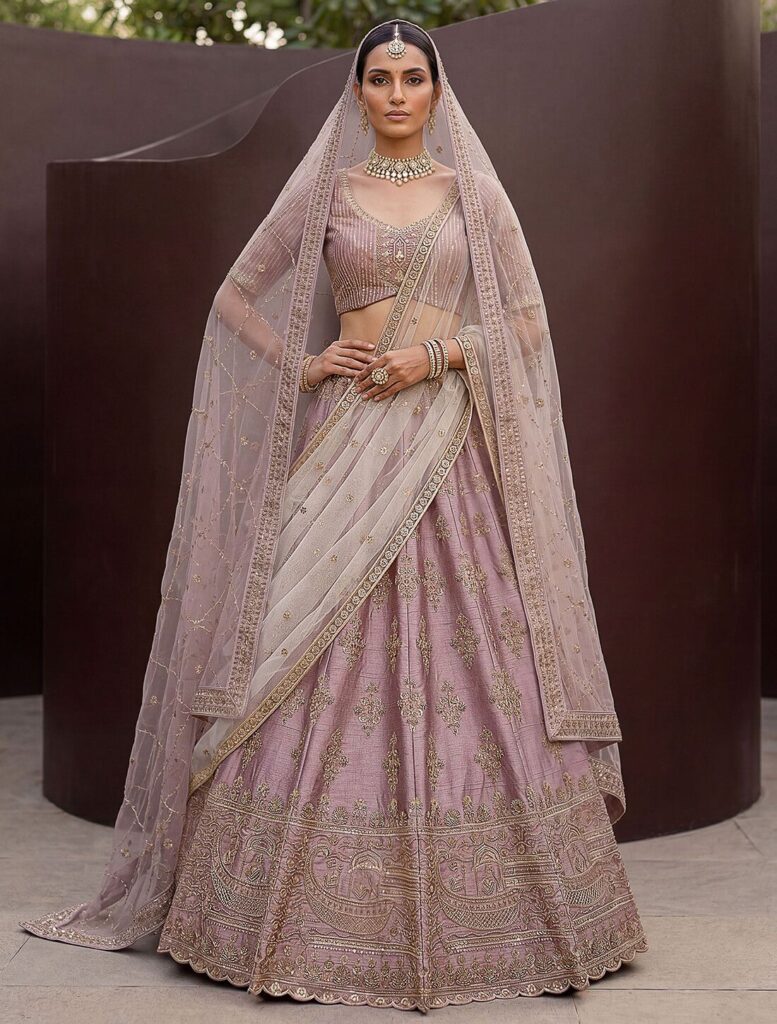
Modern ethnic fashion has evolved significantly in recent years. Instead of treating the dupatta as a simple accessory, designers now use it as a statement piece. Contemporary draping techniques allow women to personalise their indian outfits and express their individual style. Whether you prefer a regal bridal appearance or a sleek modern aesthetic, your dupatta choice influences how your entire outfit is perceived. This is particularly important for weddings and formal celebrations in the UK, where many women seek a balance between traditional elegance and modern sophistication.
Understanding Different Dupatta Styles
With so many styling options available, selecting the right drape can feel overwhelming. The good news is that most popular dupatta styles fall into a few key categories, each designed to create a distinct visual effect.
Single Shoulder Drape
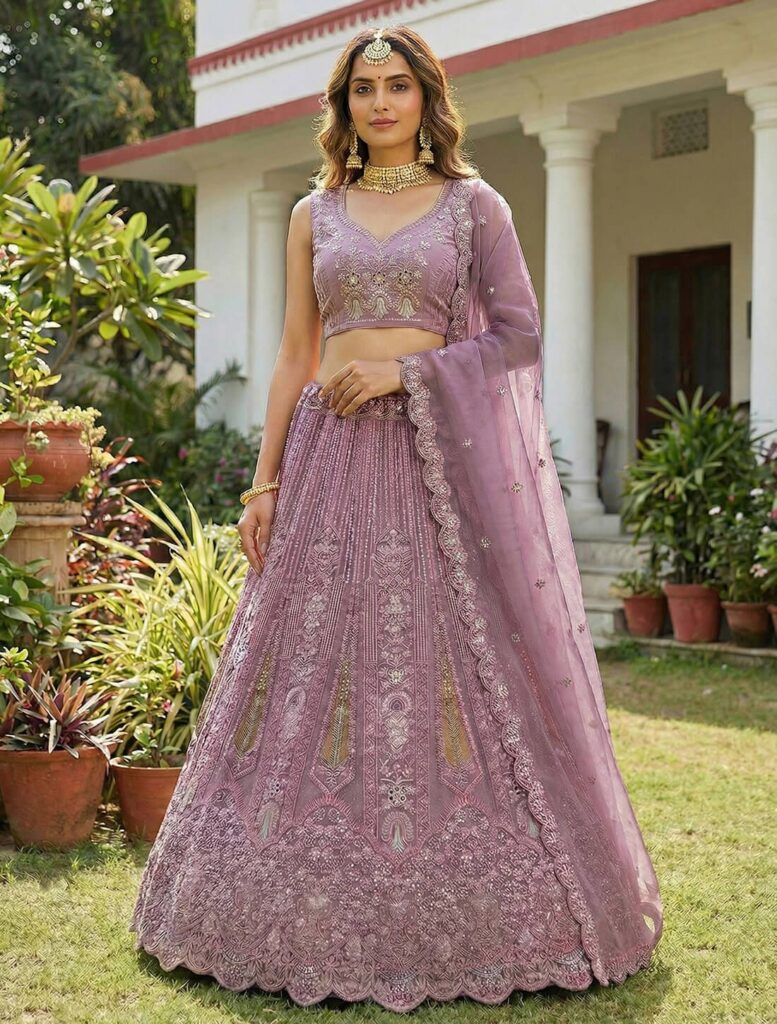
The single shoulder drape remains one of the most popular dupatta styles in 2026. Fashion experts consider it universally flattering because it creates a vertical line that elongates the body while showcasing the lehenga’s embroidery and detailing.
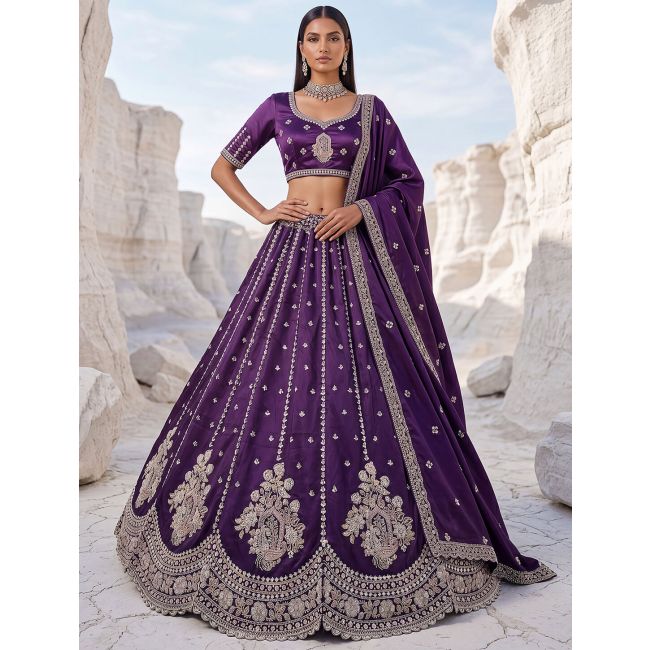
This style works beautifully for engagement ceremonies, receptions, and festive events. If your lehenga features intricate blouse work, a single shoulder drape allows those details to remain visible. The result is elegant, effortless, and timeless.
Double Dupatta Style
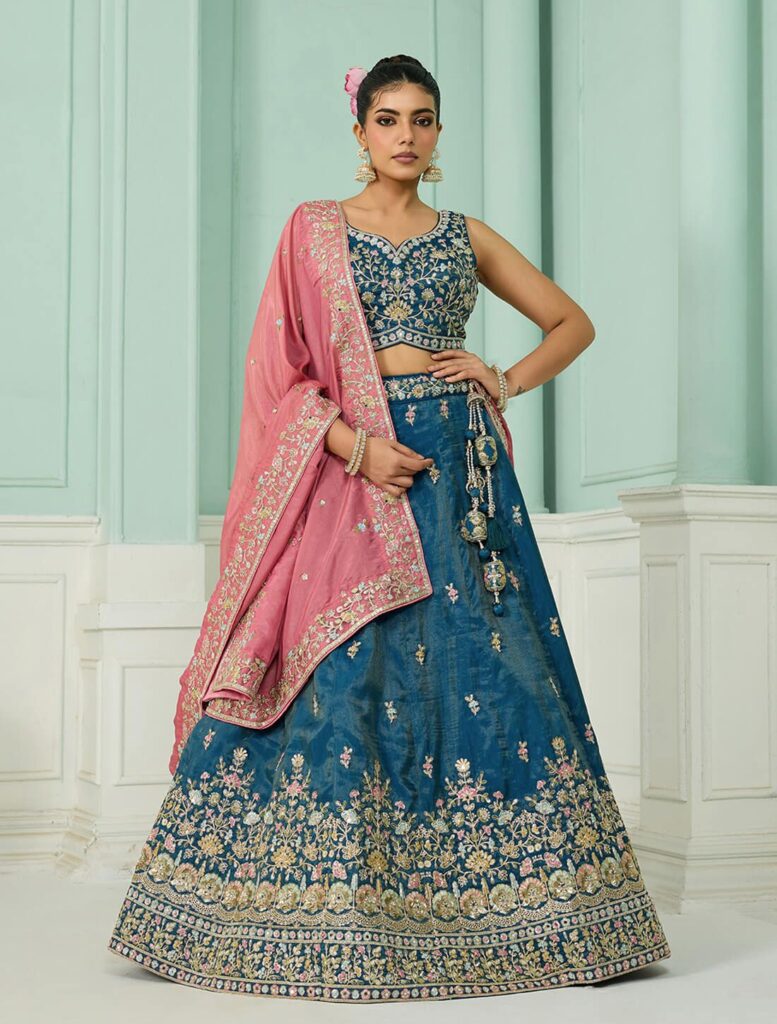
The double dupatta trend continues to dominate bridal fashion in 2026. One dupatta is typically draped over the head, while the second is styled across the shoulder or body. This layered approach creates a luxurious, royal appearance that photographs beautifully.
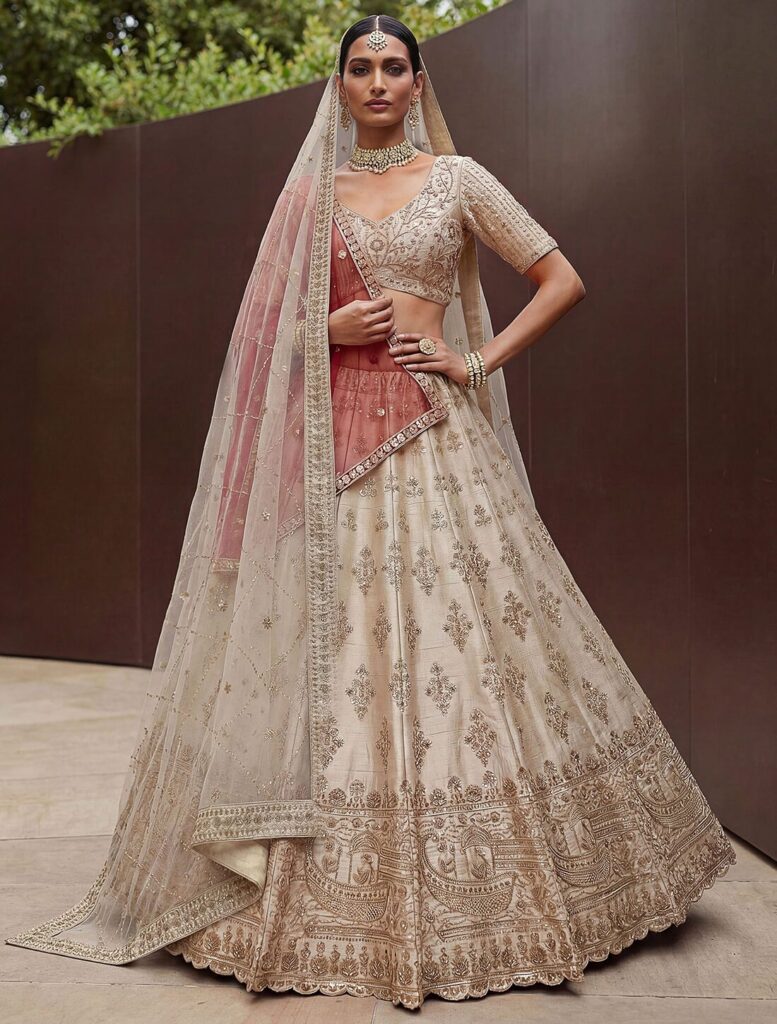
Brides often choose contrasting fabrics or colours to add dimension and visual interest. The style combines tradition with grandeur, making it ideal for wedding ceremonies.
Belted Dupatta Look
The belted dupatta has become a favourite among fashion-conscious women. By securing the dupatta with a decorative belt, the outfit gains structure and definition. This approach is especially flattering for women who want to highlight their waistline while ensuring their dupatta remains secure throughout the event.
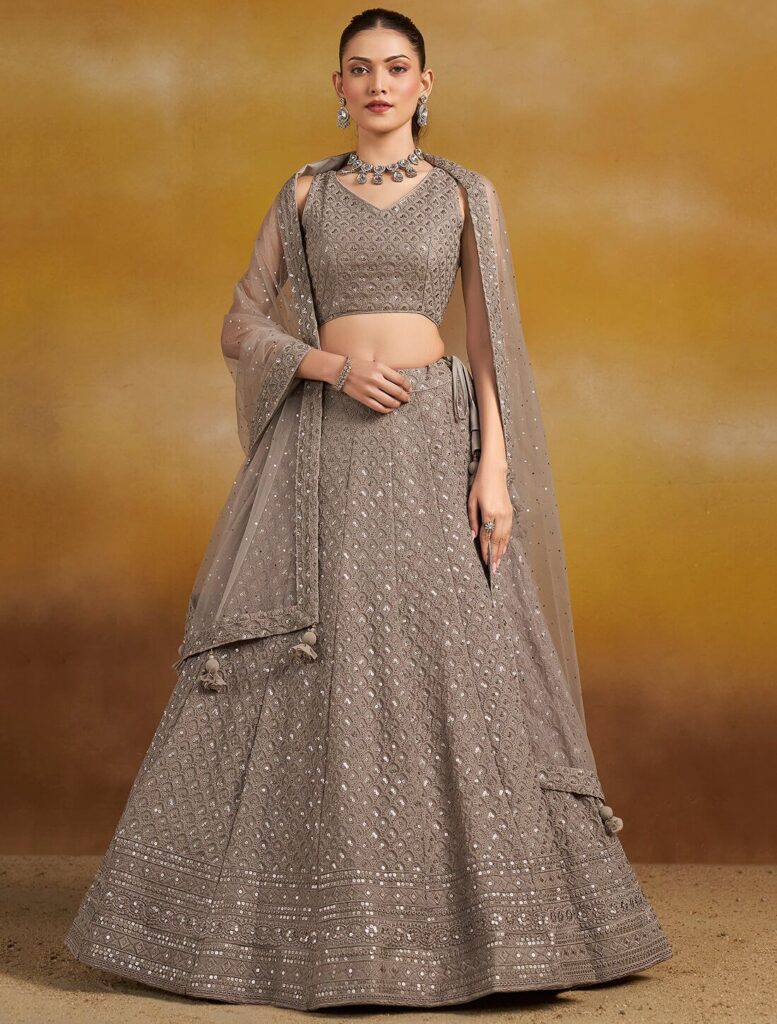
Cape Style Dupatta
For those seeking a contemporary twist, cape-style dupattas offer an exciting alternative. This fashion-forward trend is particularly popular among younger women attending destination weddings, cocktail functions, and modern celebrations. The flowing cape effect creates movement and drama without sacrificing comfort.
Choosing Dupatta Styles Based on Body Shape
Not every dupatta style suits every body type. Understanding your proportions can help you select a drape that enhances your natural features and creates a balanced appearance.
Styling for Petite Women
Petite women benefit from streamlined draping styles that avoid overwhelming their frame. Lightweight fabrics such as organza and chiffon work exceptionally well because they add elegance without excessive volume. A single shoulder drape or neatly pleated front drape can create the illusion of additional height.
Large, bulky dupattas may visually shorten a petite frame. Instead, opt for delicate embroidery and vertical draping techniques that draw the eye upward. This creates a more elongated silhouette while maintaining elegance and sophistication.
Styling for Curvy Women
Curvy women often look stunning in diagonal drapes and single shoulder styles. These techniques create flattering lines across the body and help achieve visual balance. Fashion stylists frequently recommend structured drapes that avoid excessive gathering around the waist area.
Belted dupattas can also work beautifully when styled correctly. The key is to choose a belt that complements rather than constricts the outfit. A balanced approach enhances curves while maintaining comfort.
Styling for Tall Women
Tall women have the advantage of being able to experiment with dramatic draping styles. Long flowing dupattas, double dupatta combinations, and cape-inspired looks can all create striking visual impact. Rich fabrics such as silk and Banarasi weaves look particularly elegant on taller frames.
Conclusion
Selecting the right dupatta style for your lehenga is about much more than following trends. It involves understanding your body shape, event type, fabric preferences, and personal aesthetic. The perfect dupatta can enhance your silhouette, showcase your lehenga’s craftsmanship, and help you express your individuality with confidence.
As 2026 fashion trends continue to evolve, women have more styling options than ever before. From classic shoulder drapes and royal double dupattas to contemporary cape and belted styles, there is a perfect look for every occasion. By choosing thoughtfully and styling confidently, you can create a lehenga ensemble that feels elegant, comfortable, and uniquely yours.
